Introduction to Our Small Group Training Pathway
We believe the church is more than a gathering—it’s a gospel-shaped community where every believer is formed, known, and sent. Spiritual growth doesn’t happen in isolation but through intentional rhythms of life shared with others. Our training process—Pray, Discover, Develop, Deploy—is designed to help small group leaders and members live out their faith with clarity and purpose. Through prayerful dependence, deeper discovery of God’s Word, relational development, and practical deployment into everyday mission, each group becomes a place where disciples are made and the gospel takes root in real life.



Leadership Development Pathway: Pray → Discover → Develop → Deploy
- PRAY – Seeking God’s Heart and Clarity
Everything begins with prayer. Before we plan, recruit, or develop anyone, we stop to listen for God’s voice. Leadership isn’t something we manufacture—it’s something we discern. Prayer reminds us that we don’t find leaders through gifting alone, but by the Spirit’s revealing and refining work.
As Jesus said, “The harvest is plentiful, but the laborers are few; therefore pray earnestly to the Lord of the harvest to send out laborers into His harvest” (Matthew 9:37–38). Prayer is our first act of obedience, not a final formality.
In this phase, we commit to cultivating a prayer-first culture. That means teams regularly pray for emerging leaders—by name, by gifting, or even just by role. It means inviting current leaders to consistently ask:
“Lord, who are You calling me to invest in?”
“Whose faithfulness, hunger, or availability should I pay attention to?”
And prayer doesn’t just happen about future leaders—it happens with them. Grab coffee. Pause at the end of a meeting. Lay a hand on their shoulder and simply ask, “Can I pray with you about what God might be stirring up?” These simple moments create space for discernment, healing, and clarity.
You might use tools like a team prayer board, a leadership prayer journal, or a monthly prayer rhythm to stay intentional. But ultimately, this phase is about slowing down enough to let the Spirit speak—to lead from dependence rather than drive.
“Unless the Lord builds the house, those who build it labor in vain.” Psalm 127:1 - DISCOVER – Identifying Calling and Character
After prayer creates space for listening, the next step is discovery—helping people begin to recognize where God is already moving in their lives. This isn’t about assigning a role; it’s about discerning a calling. It’s the sacred work of asking, “What has God already placed in your hands?” and “Where is He inviting you to step out in faith?”
Scripture reminds us that calling and gifting are already at work within the body: “As each has received a gift, use it to serve one another, as good stewards of God’s varied grace” (1 Peter 4:10). Our role is to help people notice and steward that grace.
While tools like spiritual gift assessments, StrengthsFinder, or DISC can be helpful, most discovery happens in real life and real community. Watch where someone naturally steps in, encourages others, or leads without needing a title. Pay attention to what energizes them, what burdens they carry, and what fruit is already showing up. Sometimes a simple invitation—co-leading a group, facilitating a conversation, helping organize a team—can give you a front-row seat to see their gifting in action. And feedback from mentors or trusted peers can bring clarity to what someone may not yet see in themselves.
“Do not neglect the gift you have… practice these things, immerse yourself in them, so that all may see your progress.” 1 Timothy 4:14–15
- DEVELOP – Equipping with Skills and Support
As someone begins to sense God’s call more clearly, the next step is intentional development—not just handing over responsibility, but walking with them as they grow in both character and competency. This is where we begin to shape the heart and the hands of a leader.
Scripture reminds us that spiritual leadership is both formed and entrusted: “What you have heard from me in the presence of many witnesses entrust to faithful men who will be able to teach others also” (2 Timothy 2:2). Development isn’t about perfection—it’s about preparing someone to lead with humility, wisdom, and skill.
This phase works best when it’s relational and flexible, not overly formal or locked into a rigid curriculum. One-on-one mentoring or coaching allows space for real conversations, personal challenges, and encouragement in the journey. Leadership cohorts—whether they last six weeks or six months—build community, sharpen vision, and give room for shared learning. And don’t underestimate the power of just-in-time training. Sometimes, a short, role-specific session offered right before someone steps into a new challenge can do more than months of preparation. Development happens best in the context of real service, where new leaders are trusted, supported, and guided along the way.
“Let the wise hear and increase in learning, and the one who understands obtain guidance.” Proverbs 1:5
The goal of this phase is not to download information, but to equip leaders for real life, shaping both their walk with Jesus and their effectiveness in the roles they’re stepping into. When we develop others this way, we build a culture where growth is normal—and no one leads alone.
- DEPLOY – Sending with Accountability and Support
The final phase is deployment—and it’s more than just handing someone a title or a task. It’s about affirming God’s work in their life and sending them with clarity, confidence, and care. Whether it’s a public commissioning in front of the church or a quiet word of blessing over coffee, this moment should feel weighty, not rushed. It’s a reminder: “You’re not just filling a role—you’re stepping into a calling.”
As Paul wrote to Timothy, “Fan into flame the gift of God, which is in you through the laying on of my hands” (2 Timothy 1:6). Deployment is that kind of flame-fanning moment. It’s saying, “We see the Spirit at work in you, and we’re with you as you go.”
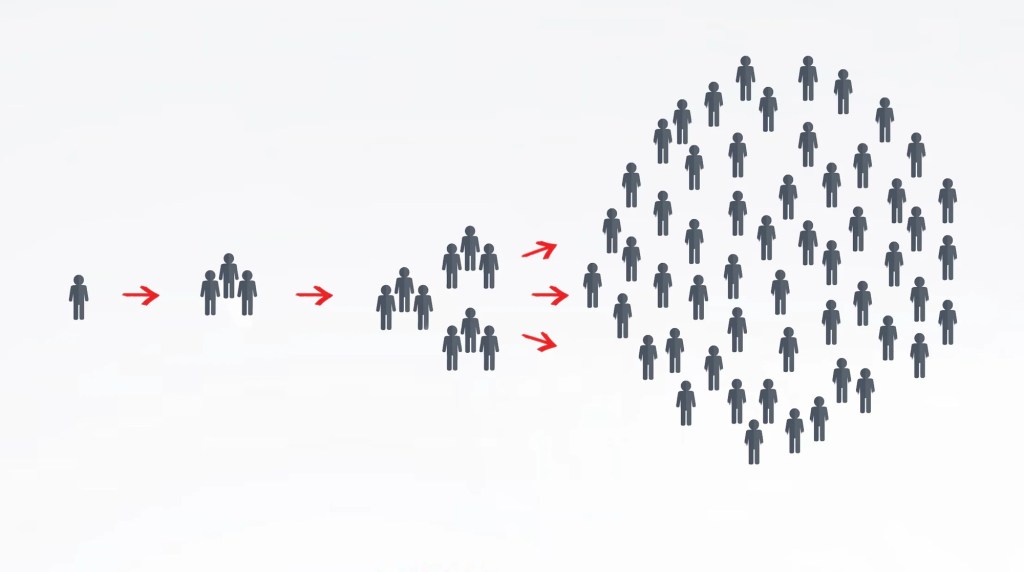
Even after deployment, support continues. Quarterly check-ins, personal coaching conversations, or simply grabbing lunch to listen and encourage—these rhythms remind new leaders that they’re not alone. We don’t just send people out; we walk with them. And don’t forget to celebrate! Tell stories. Honor the journey. Share testimonies of growth. These moments reinforce a culture where leadership is shared, not hoarded—and where the goal isn’t just leadership development, but leadership multiplication.
“Go therefore and make disciples of all nations… teaching them to observe all that I have commanded you. And behold, I am with you always.” Matthew 28:19–20
Let deployment be a moment of joy, clarity, and momentum—because when we send with love and support, we reflect the heart of Jesus, who sends us into the world with power and purpose.
 Small Group Leadership